August 8, 2014
Floating nuclear plants may be safer from tsunamis
On March 11, 2011, a magnitude-9 earthquake just off the coast of Tohoku, Japan, set off a devastating tsunami that swamped the Fukushima Daiichi …
The EARTH archive
Independent reporting on the science of our planet, in publication date order.
2686 articles · Page 80 of 112
August 8, 2014
On March 11, 2011, a magnitude-9 earthquake just off the coast of Tohoku, Japan, set off a devastating tsunami that swamped the Fukushima Daiichi …
August 8, 2014
Wood isn’t often on the menu for deep sea-dwelling critters, but for some species, there’s nothing like a tasty tree stump for dinner. Five years …
August 8, 2014
Ash plumes from volcanoes in South America and elsewhere may spur large blooms of plankton in otherwise barren parts of the Southern Ocean, but …
August 8, 2014
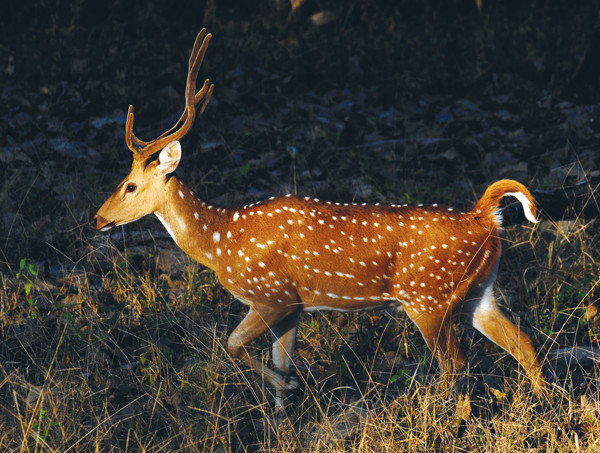
India is home to some hardy mammals, according to a new study in Proceedings of the National Academy of Sciences. Researchers reported that 20 of …
August 8, 2014
High rates of a congenital defect in woolly mammoths may offer evidence that inbreeding and environmental stress contributed to the animals’ …
August 8, 2014
Fossils of a known age have been found for the first time in rocks in Brazil that, although long-studied, had previously eluded scientists’ …
August 8, 2014
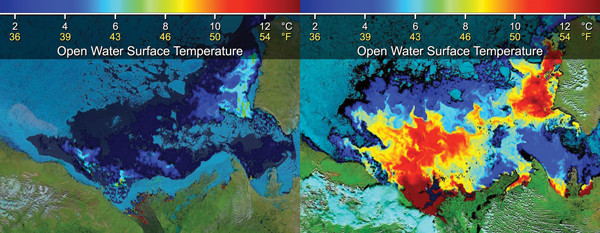
In September 2012, the area of the Arctic Ocean covered by sea ice was the smallest on record since satellite monitoring began in 1979. Several …
August 8, 2014
A nearly 40-year study of Rocky Mountain wildflower phenology has found that almost two-thirds of species have changed their blooming patterns in …
August 8, 2014
In July 2012, the Havre volcano in the remote southwestern Pacific erupted, creating a raft of pumice that covered more than 400 square …
August 8, 2014
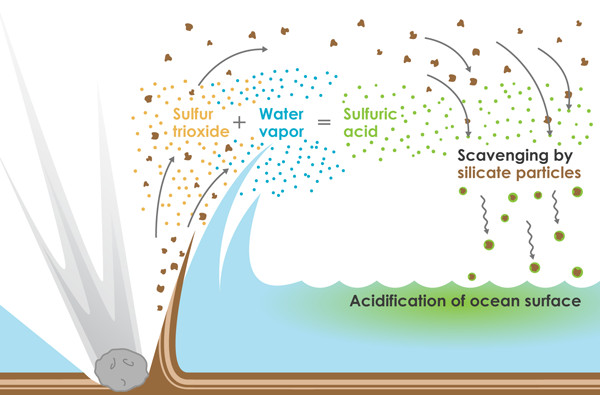
Within days after the massive Chicxulub impact that ended the Cretaceous Period 65.5 million years ago, a deluge of acid rain may have turned …
August 7, 2014
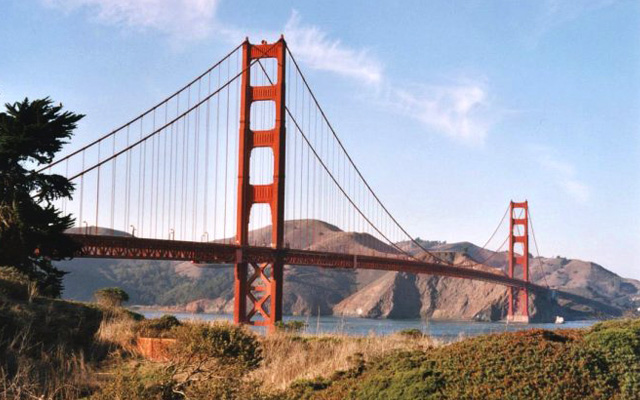
Californians are bracing for when the San Andreas Fault unleashes the next “big one,” but a new study looking at the paleoseismic history of the …
August 7, 2014
The earliest recorded case of coccidioidomycosis was documented in Argentina in 1892, when a soldier was diagnosed with what was first thought to …
August 7, 2014
Geoscientists should take precautions against contracting Valley Fever — a sometimes-fatal infection with no known cure and no vaccine that is …
August 7, 2014
The upper northern slopes of Mauna Loa are a painter’s palette of red, brown and black lava rocks. A cluster of scientific buildings composing …
August 7, 2014
In the 19th century, Mauna Loa was the most active volcano in the world. Today, Kilauea is the star. Tourism agencies, journalists, civil …
August 7, 2014
Earth’s largest active volcano is taking a nap. And after 30 years, no one is quite sure when Hawaii’s Mauna Loa will reawaken. Odds are that it …
August 7, 2014
In a modest, low-slung room tucked in the back of Oregon State University’s Pacific Slope Archaeological Laboratory, a small box sits quietly …
August 4, 2014
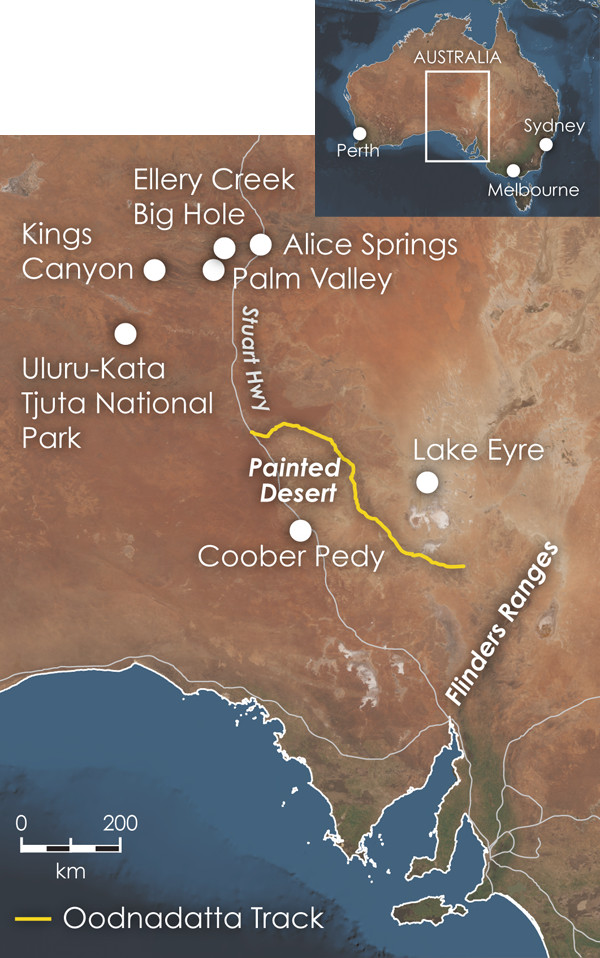
The Red Center’s gateway airports are Alice Springs and Ayers Rock/Uluru. Neither hosts direct flights from the U.S. but both are well connected …
August 4, 2014
Australia, having experienced little recent tectonic activity, is the world’s lowest and flattest continent on average. But don’t take that to …
August 4, 2014
Being a weatherman is sometimes a thankless job, particularly when forecasts don’t pan out as expected. But the two-fold task of meteorologists — …
August 4, 2014
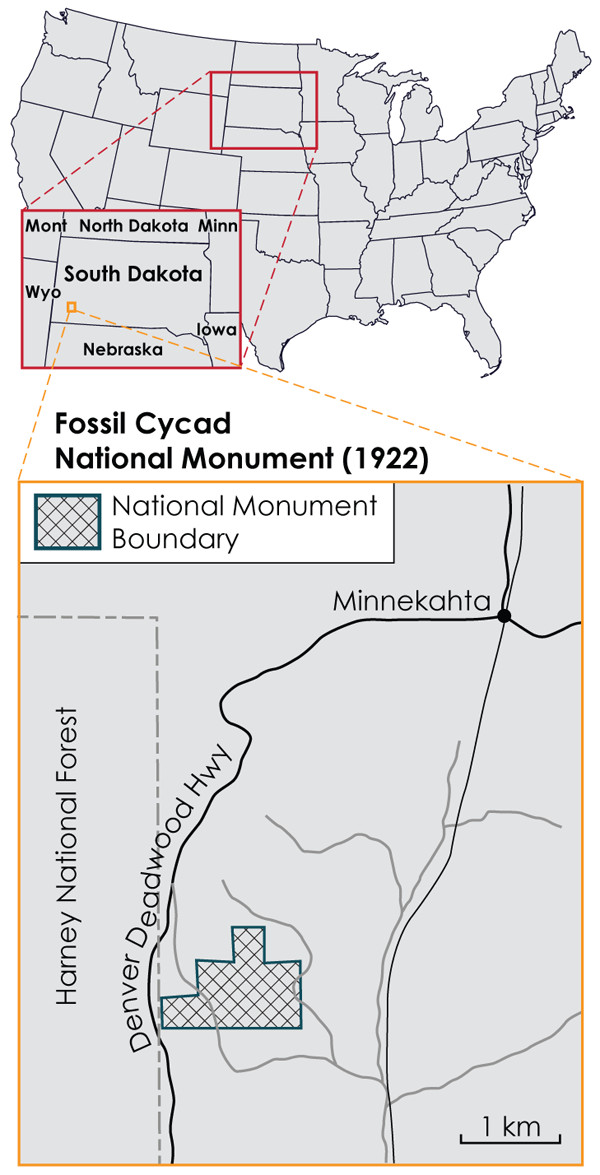
On Sept. 1, 1957, with the stroke of a pen, the U.S. Congress declared Fossil Cycad National Monument in the Black Hills of South Dakota to be no …
August 4, 2014
U.S. Oil & Petroleum Imports (million of barrels per day) ' Oil and petroleum imports data are preliminary numbers taken from the American …
August 4, 2014
George Bedinger, mineral commodity specialist for the U.S. Geological Survey, prepared the following information on arsenic. Arsenic is a gray …
August 4, 2014
You wake up hungry in the middle of the night and remember that chunk of Spam in the refrigerator. You sneak down, ease open the fridge door and …