August 29, 2014
Down to Earth With: Kerry Sieh
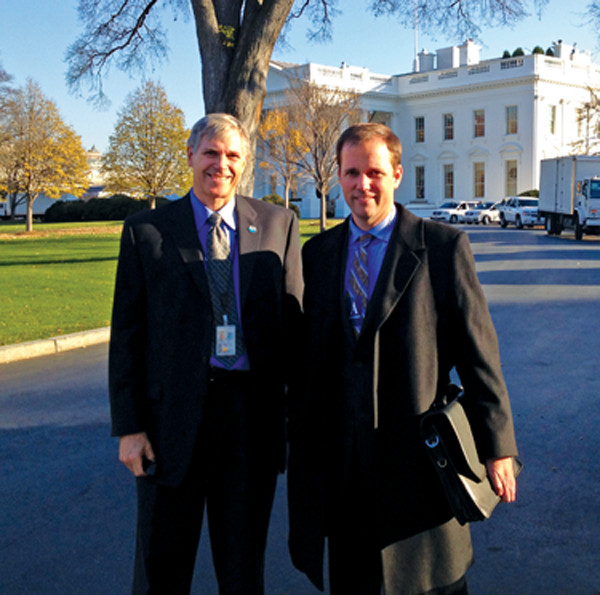
After more than 30 years as a professor and researcher at Caltech, earthquake geologist Kerry Sieh (pronounced “sea”) surprised his colleagues …
The EARTH archive
Explore the archive by subject.
65 articles · Page 1 of 3
August 29, 2014
After more than 30 years as a professor and researcher at Caltech, earthquake geologist Kerry Sieh (pronounced “sea”) surprised his colleagues …
August 28, 2014
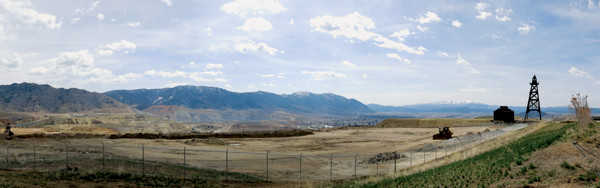
Butte, Mont., is home to one of the nation’s largest Superfund sites — a 300-meter-deep lake of acidic, heavy metal-contaminated water known as …
August 21, 2014
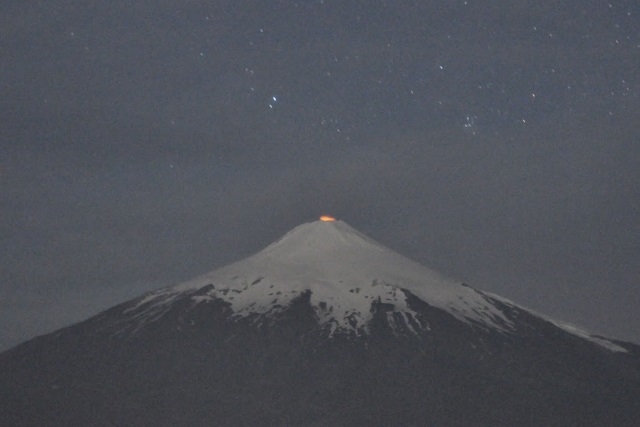
The rises and falls of volcanic lava lakes are not easily tracked, especially when the lakes aren’t visible from crater rims. But recently, …
August 21, 2014
Occurrences of earthquakes in the Central and Eastern United States have increased since 2009 — a phenomenon that many scientists attribute to …
August 19, 2014
A new study in which all 842 soil samples taken in Ohio had more arsenic than recommended by the Environmental Protection Agency (EPA) raises the …
August 12, 2014
The crater left by the infamous Chicxulub asteroid responsible for finishing off the dinosaurs about 65 million years ago, was more than 19 …
August 12, 2014
Dust surrounding a star coalesces into larger particles, spinning and building over a million years or more to create the beginning of a planet. …
August 12, 2014
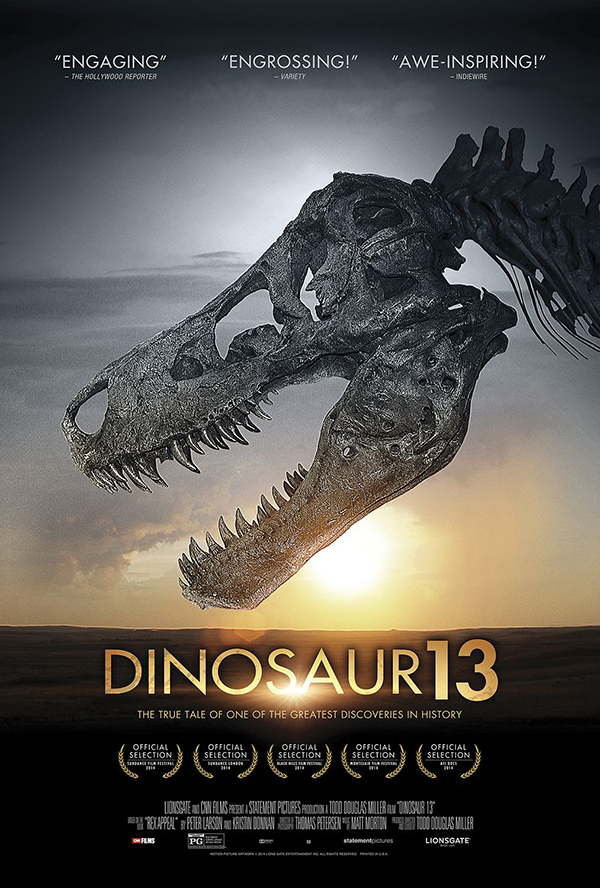
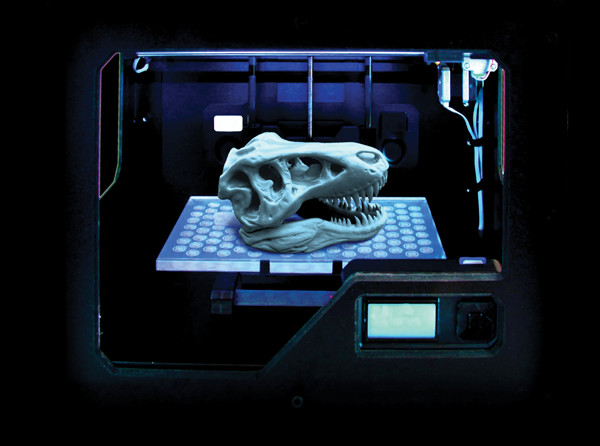
As the most complete Tyrannosaurus rex skeleton ever found, “Sue” is an icon. She even has her own logo and her own Twitter account. Sue made …
August 11, 2014
Only three lakes in the world are known to explosively release dissolved gases from their bottom waters. All three are in Africa; two have …
August 8, 2014
On March 11, 2011, a magnitude-9 earthquake just off the coast of Tohoku, Japan, set off a devastating tsunami that swamped the Fukushima Daiichi …
August 8, 2014
Wood isn’t often on the menu for deep sea-dwelling critters, but for some species, there’s nothing like a tasty tree stump for dinner. Five years …
August 8, 2014
Ash plumes from volcanoes in South America and elsewhere may spur large blooms of plankton in otherwise barren parts of the Southern Ocean, but …
August 8, 2014
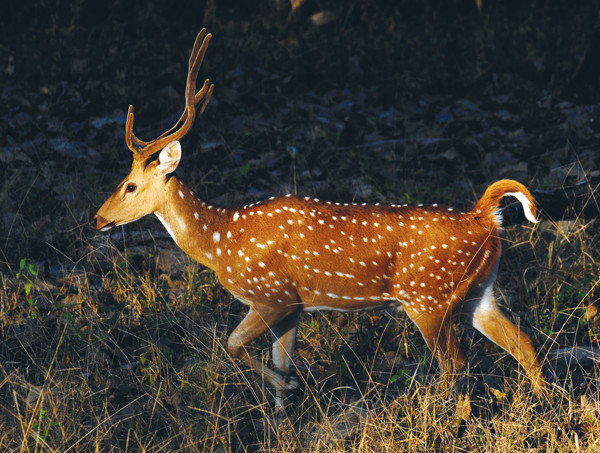
India is home to some hardy mammals, according to a new study in Proceedings of the National Academy of Sciences. Researchers reported that 20 of …
August 8, 2014
High rates of a congenital defect in woolly mammoths may offer evidence that inbreeding and environmental stress contributed to the animals’ …
August 8, 2014
Fossils of a known age have been found for the first time in rocks in Brazil that, although long-studied, had previously eluded scientists’ …
August 8, 2014
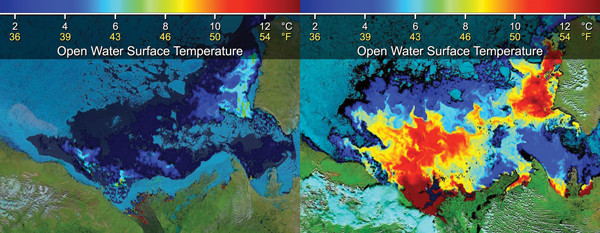
In September 2012, the area of the Arctic Ocean covered by sea ice was the smallest on record since satellite monitoring began in 1979. Several …
August 8, 2014
A nearly 40-year study of Rocky Mountain wildflower phenology has found that almost two-thirds of species have changed their blooming patterns in …
August 8, 2014
In July 2012, the Havre volcano in the remote southwestern Pacific erupted, creating a raft of pumice that covered more than 400 square …
August 8, 2014
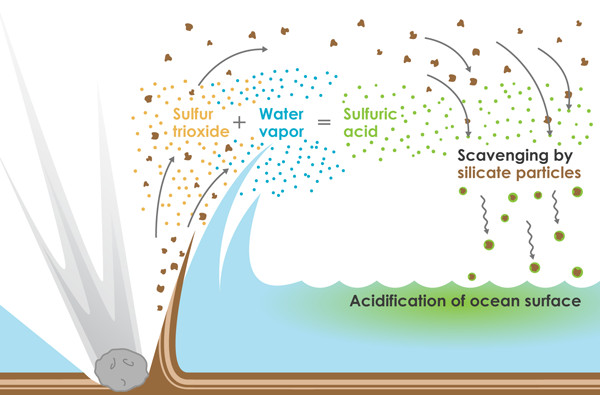
Within days after the massive Chicxulub impact that ended the Cretaceous Period 65.5 million years ago, a deluge of acid rain may have turned …
August 7, 2014
In a modest, low-slung room tucked in the back of Oregon State University’s Pacific Slope Archaeological Laboratory, a small box sits quietly …
August 4, 2014
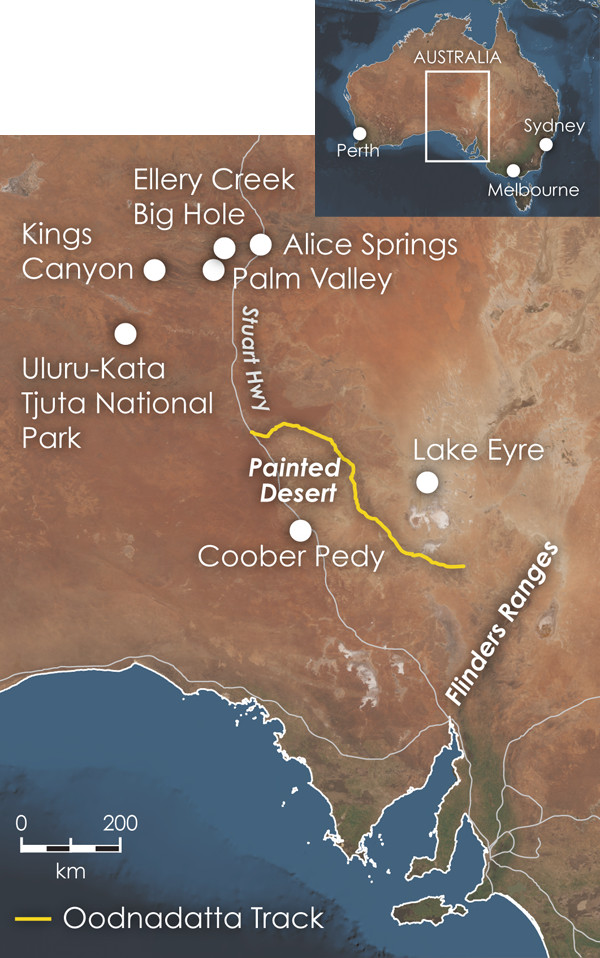
The Red Center’s gateway airports are Alice Springs and Ayers Rock/Uluru. Neither hosts direct flights from the U.S. but both are well connected …
August 4, 2014
Australia, having experienced little recent tectonic activity, is the world’s lowest and flattest continent on average. But don’t take that to …
August 4, 2014
Being a weatherman is sometimes a thankless job, particularly when forecasts don’t pan out as expected. But the two-fold task of meteorologists — …
August 4, 2014
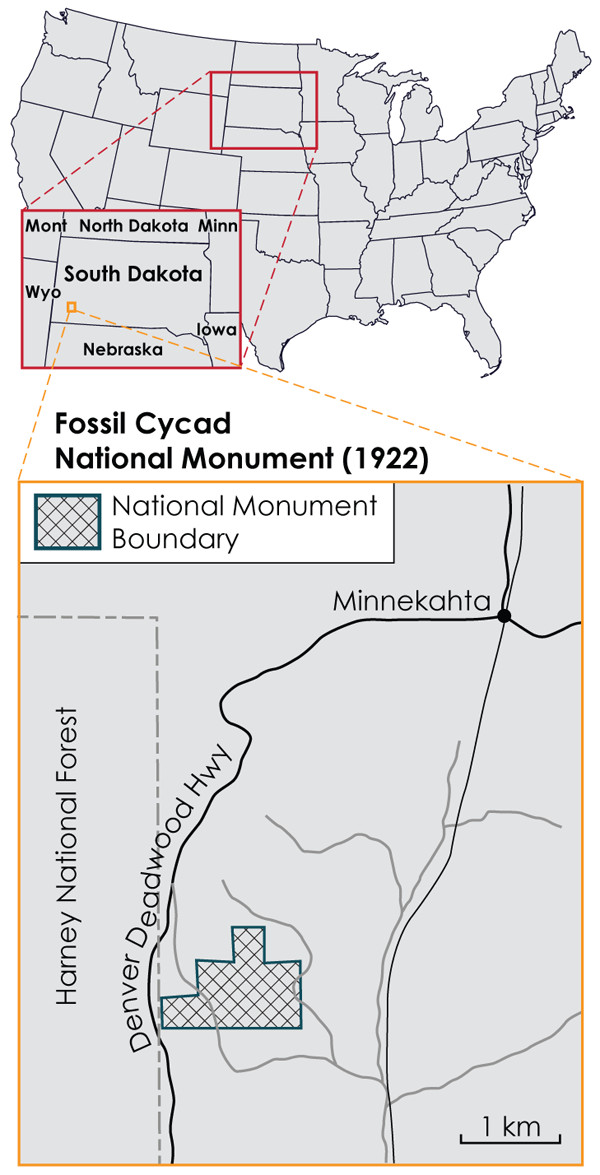
On Sept. 1, 1957, with the stroke of a pen, the U.S. Congress declared Fossil Cycad National Monument in the Black Hills of South Dakota to be no …