January 5, 2012
Soft tissue preserved in 80-million-year-old dino fossil
A two-year-old debate is back in the flesh — literally. Molecular paleontologist Mary Schweitzer of North Carolina State University in Raleigh …
The EARTH archive
Independent reporting on the science of our planet, in publication date order.
2686 articles · Page 101 of 112
January 5, 2012
A two-year-old debate is back in the flesh — literally. Molecular paleontologist Mary Schweitzer of North Carolina State University in Raleigh …
January 5, 2012
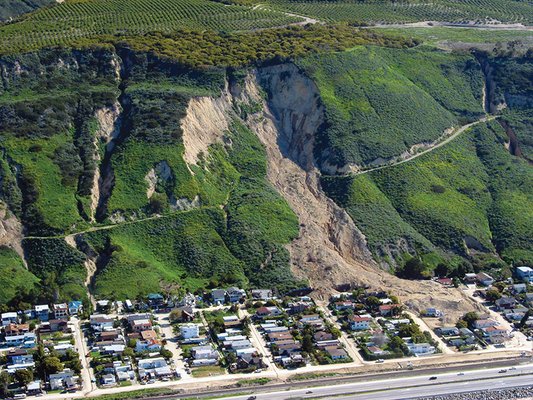
Feb. 5, 2010: A landslide in Maggie Valley, N.C., damages three homes after wet weather destabilizes the mountainside. No one is injured, but …
January 5, 2012
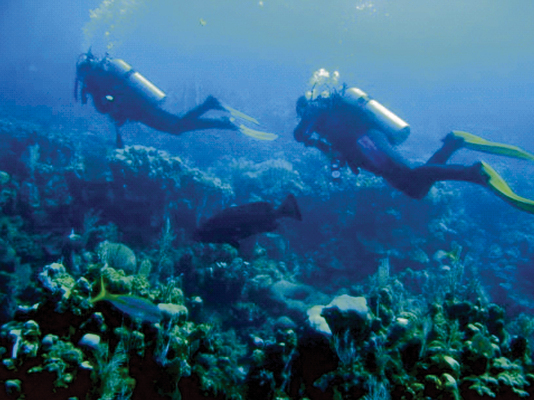
To survive in the ocean, soft-bodied organisms must possess one of five traits: big teeth, toxic flesh, invisibility, quickness or a hard shell. …
January 5, 2012
Mars may be mythologically known as the Red Planet, but its topography can be as captivating as its celestial glow. Several striking features …
January 5, 2012
A newly discovered web-footed mammal may be a “missing link” between land-based and marine pinnipeds, a group that includes seals, walruses and …
January 5, 2012
Picture it: Dozens of kilometers off the coast of Texas, a giant polygon-shaped cage constructed of steel ribs and mesh netting floats 30 or so …
January 5, 2012
A powerful magnitude-7.0 earthquake struck a few kilometers off the coast of West Java, Indonesia, at 2:55 p.m. local time on Wednesday, …
January 5, 2012
Hollywood’s sometimes sloppy depiction of scientific concepts often galls scientists. Some productions strive for accuracy; others — well, they …
January 5, 2012
The search for Earth-like planets has never looked better. Scientists say they have discovered a water-rich planet that is only 2.7 times larger …
January 5, 2012
After a series of five explosive eruptions from Sunday night through Monday morning, Alaska's Redoubt volcano quieted for about 15 hours Monday …
January 5, 2012
It’s late in the afternoon, and by now, 9-year-old Claire Dworsky has already answered questions like mine many times over. But, when I approach …
January 5, 2012
Have you ever thought about using your urine to fertilize your tomatoes and cucumbers? Full of nutrients like phosphorus, potassium and nitrogen, …
January 5, 2012
In the ancient pink and orange hills of the Sangre de Cristo Mountains, Thornton “Tim” McElvain, a retired petroleum geologist, leads me over a …
January 5, 2012
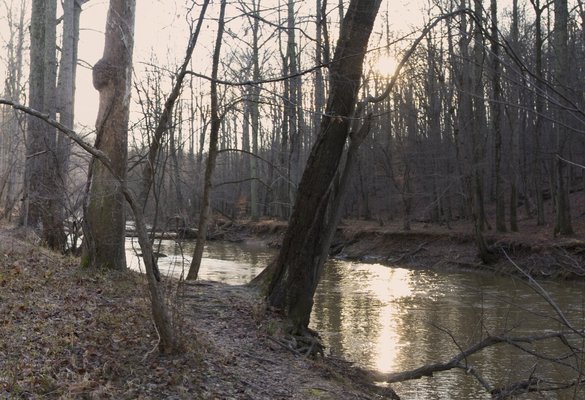
In 1702, Francis Chadsey and his family bought 200 hectares of meadow and upland on the banks of the Brandywine Creek in southeastern …
January 5, 2012
Geoscientists Predict a Dry, Dusty Future for the American West Haboobs walloped Arizona last summer. Locals long ago adopted the Arabic word for …
January 5, 2012
Rare earth minerals are not actually rare, but if China has anything to say about it, they may become scarce in the near future, experts say. And …
January 5, 2012
How geoscientists aid in the aftermath of environmental disasters People around the world remember when they first learned of the attacks on New …
January 5, 2012
Blogging on EARTH The Quaternary Period — the geologic time period that includes human evolution up to the present — is now a bit longer than it …
January 5, 2012
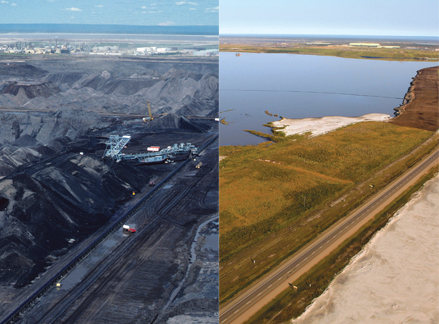
Forest, wetlands and a lake suggest a boreal ecosystem can be rebuilt Hiking through the 104-hectare parcel of land known as Gateway Hill in the …
January 5, 2012
Ravaged by war, drought and natural hazards such as earthquakes and landslides, Afghanistan’s people face many challenges. But the country also …
January 5, 2012
About 505 million years ago, the continent that would become North America straddled the equator. With no terrestrial plants or animals, the land …
January 5, 2012
Over the past century and a half, the river delta that provides Central and Southern Californians with drinking water and farmers with productive …
January 5, 2012
The flagging economy may complicate federal aspirations for a green revolution, but at least one government entity has adopted the movement in …
January 5, 2012
Predicting the weather has been central to human civilization since the Babylonians started studying cloud patterns in 650 B.C. The key to …