March 8, 2018
Gyres spin up, currents get muddled
In addition to polynya formation and warming-induced surface freshening, other factors may also impact open-ocean convection in the Southern …
The EARTH archive
Independent reporting on the science of our planet, in publication date order.
2686 articles · Page 24 of 112
March 8, 2018
In addition to polynya formation and warming-induced surface freshening, other factors may also impact open-ocean convection in the Southern …
March 8, 2018
Seventy-one percent of our planet is covered by ocean, and these basins contain 97 percent of Earth’s near-surface water. The ocean lies at the …
March 8, 2018
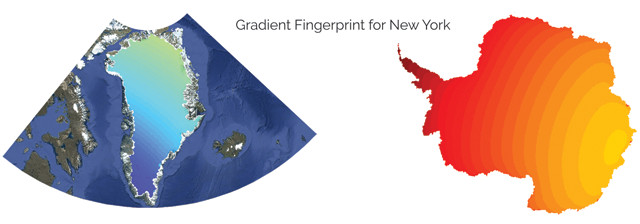
The relationship between melting glaciers and rising sea levels is best described as: “It’s complicated.” A new online tool shows just how …
March 2, 2018
March hosts a number of special days: St. Patrick’s Day, Johnny Appleseed Day, the Spring Equinox and, one of my favorites, March 14, which is …
March 1, 2018
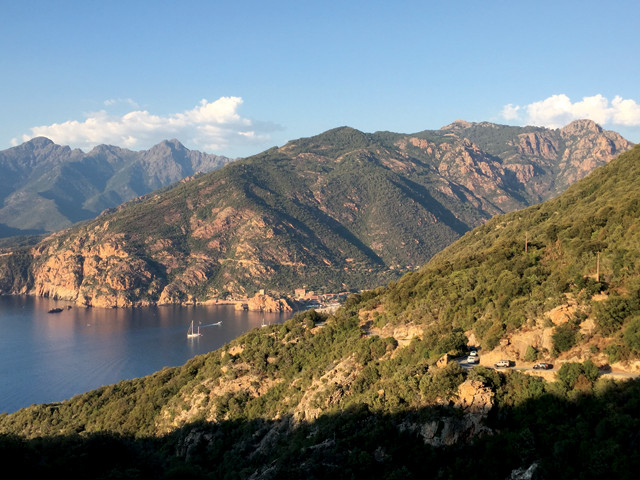
The two largest of Corsica’s four airports, Ajaccio (AJA) and Bastia (BIA), are located on the island’s southwestern and northeastern coasts, …
March 1, 2018
Last summer, after trekking for a month with my son across the cool and rainy Alps, I found myself craving warm sunshine and long, sandy beaches. …
February 27, 2018
Clues for March 2018: The presence of this hot spring, long considered sacred by Native Americans, was reported to Congress in 1871 by geologist …
February 27, 2018
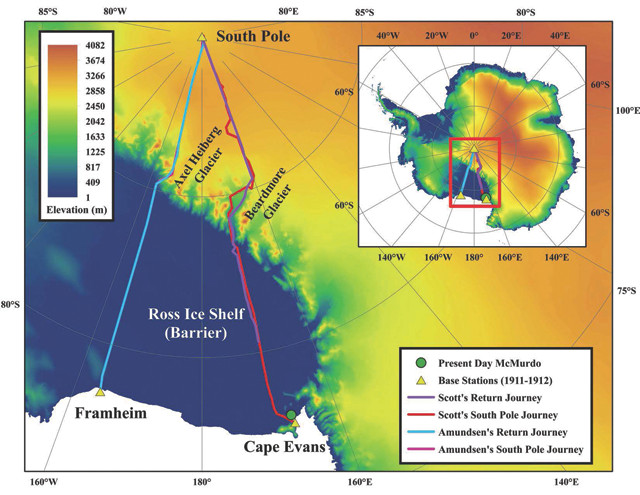
The epic tale of the race between Norway and Britain to be the first to reach the South Pole — and its tragic conclusion with the deaths of …
February 27, 2018
My fellow EARTH Magazine contributor Mary Caperton Morton is the author of “Aerial Geology,” a beautiful and massive tome that profiles a hundred …
February 27, 2018
Edward O. Wilson, professor emeritus and honorary curator in entomology at Harvard, is a scientist of acclaim and renown, a naturalist and …
February 27, 2018
As a boy growing up on the East Coast, Harold Tobin loved being outdoors but was not all that excited by geology or the region’s ancient rocks. …
February 27, 2018
From Antarctica to the Arctic; from polar caps, permafrost and glaciers to ocean-rafted sea ice; and from burly bears to cold-loving microbes, …
February 27, 2018
On Dec. 11, 2013, Upstate New York’s Tug Hill region received more than 100 centimeters of snow in 24 hours. And annually, the region, which …
February 27, 2018
Saturn’s sixth-largest moon, Enceladus, is covered by ice, but just beneath its icy surface lies an ocean of liquid water. New research suggests …
February 27, 2018
Since the late 19th century, Civil War battlefield landscapes have changed. Some have been plowed under and developed, while elsewhere, woods …
February 23, 2018
Excavations at a dinosaur trackway found in 2009 in the French village of Plagne, 200 kilometers east of Lyon, revealed 110 sauropod footprints …
February 23, 2018
Since 2005, a steady trickle of reports detailing proteins and other soft tissues preserved in fossils of dinosaurs and other ancient animals has …
February 23, 2018
All animals depend on their ecosystems for habitat. And, in turn, many animals impact their ecosystems by engineering the landscape to suit their …
February 23, 2018
Genetics studies have dated the largest migrations of early Homo sapiens out of Africa to between 70,000 and 55,000 years ago, although smaller …
February 15, 2018
Sensitive instruments installed on and near the slow-moving landslide in Maca, Peru, have allowed scientists to observe the response of the …
February 15, 2018
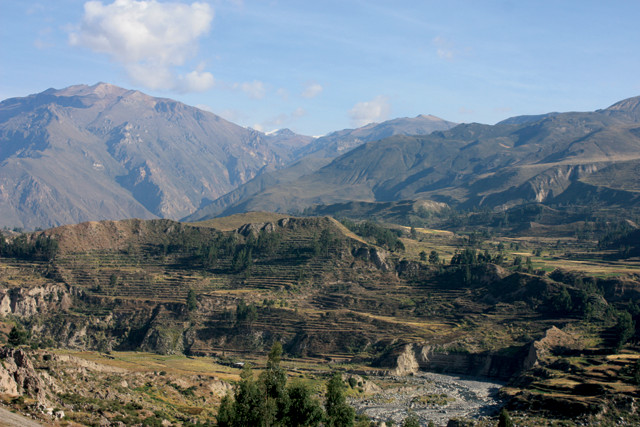
The 850 residents of the peaceful rural village of Maca in the terraced hills of southern Peru are no strangers to disaster and drama. Sabancaya …
February 15, 2018
When geologists think of alabaster, they likely envision blocks of gypsum, its main mineral constituent; when art historians hear the word, …
February 15, 2018
Earth in the Hadean Eon, between 4.56 billion and 4 billion years ago, was much too hot to support active plate tectonics as we know it today, …
February 15, 2018
Burning coal releases carbon dioxide, which warms the planet when the gas escapes into the air. On the flip side, coal formation sequesters …