December 21, 2018
Rising carbon dioxide may raise risk of nutrient deficiencies in humans
Plants absorb carbon dioxide to fuel their growth. As humans increase the amount of the greenhouse gas in the atmosphere, more will be available …
The EARTH archive
Explore the archive by subject.
21 articles · Page 1 of 1
December 21, 2018
Plants absorb carbon dioxide to fuel their growth. As humans increase the amount of the greenhouse gas in the atmosphere, more will be available …
October 12, 2018
Errant asteroids and toxic emissions from volcanic eruptions are the usual suspects in mass extinctions. But during the Ordovician, it was a …
October 12, 2018
When marine biologist Erasmo Macaya, from University of Concepción in Chile, found a piece of kelp washed up on a beach in Antarctica, he …
July 3, 2018
Calculations of the planet’s nitrogen balance have always been off: plants and soils seem to sequester far more nitrogen than expected. The …
July 3, 2018
It takes a hardy plant to live on top of a mountain, but new research shows that summits in the Alps are hosting more species of plants than ever …
January 10, 2018
Once considered detrimental to ecosystems and nuisances where, for example, dams flooded farmland, beavers have been rhetorically touted in …
January 9, 2018
We owe Earth as we know it to fire. Fire-prone ecosystems cover 40 percent of the land surface today, and fires play a key role in maintaining …
October 13, 2017
Mangrove trees, which today thrive in tropical and subtropical climates in the low and midlatitudes, grew in the high Russian Arctic about 56 …
October 13, 2017
To reconstruct relationships among extinct plants and animals, paleontologists often compare genetic sequences from distinct organisms or analyze …
March 29, 2017
The acidity of soils, which affects soil fertility, depends largely on a region’s climate. What has been less clear is just how abrupt — or …
January 25, 2017
Moss, the springy green plant that blankets forest floors, has been heralded as the generator of large amounts of oxygen to Earth’s atmosphere …
May 19, 2016
The Carboniferous Period is famous for supplying Earth with an abundance of coal deposits. According to one hypothesis, the formation of all this …
April 19, 2016
Researchers have long thought that the scrublands of Australia developed over the last 25 million to 30 million years as part of a global trend …
January 7, 2016
Plants colonized land between 450 million and 420 million years ago, and, once there, they drastically altered terrestrial landscapes and …
August 6, 2015
Editor’s note: This story was updated on Oct. 9, 2015, to fix an error in the size of the kimberlite pipe. West Africa is famous for diamonds, …
July 16, 2015
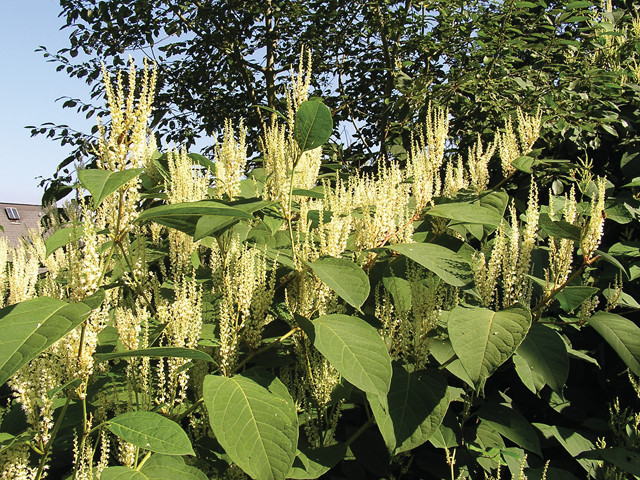
In many places in the world, nonnative plants are epidemic, outcompeting local flora for space and resources and sometimes leading to extinctions …
June 1, 2015
A key part in understanding a terrestrial ecosystem is analyzing its vegetation structure: How dense is the foliage? Is its canopy open or …
May 4, 2015
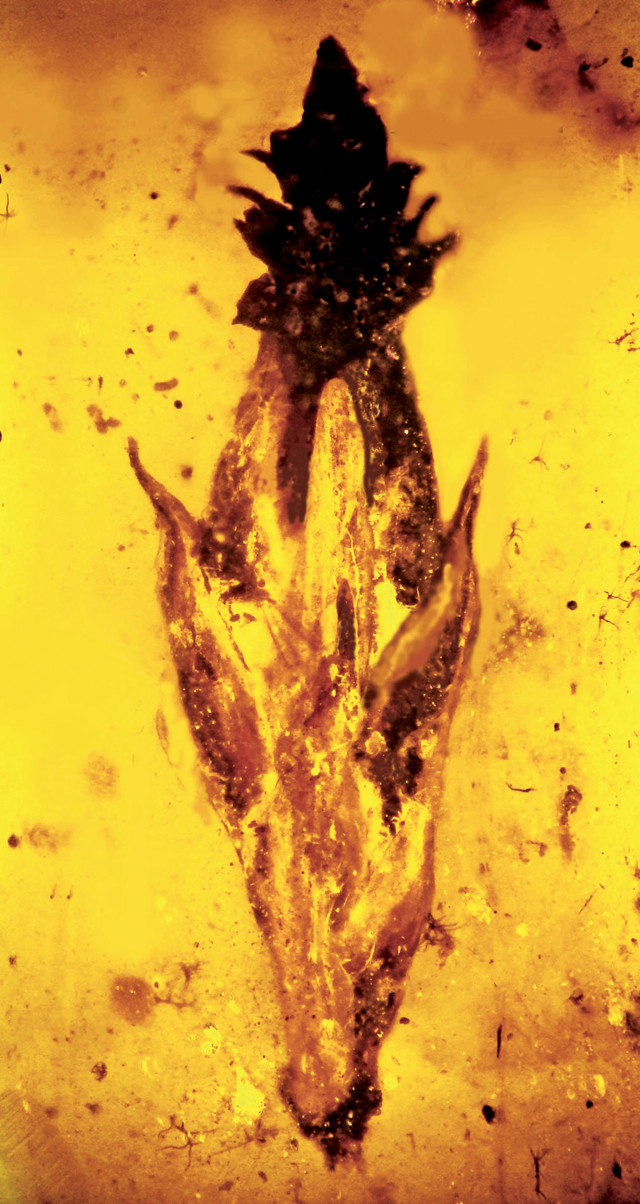
Delicate grasses don’t preserve well in the fossil record, and evidence for grasses coexisting with dinosaurs is scant. But according to a new …
April 20, 2015
Fishermen trawling Norway’s waters have long known of a place where the seafloor drops precipitously into the abyss. It’s called Storegga — or …
January 30, 2015
When the Chicxulub bolide struck the Yucatán Peninsula at the end of the Cretaceous about 66 million years ago, widespread extinctions of land …
January 5, 2012
As leaves change color every fall, the North American landscape transforms from a rolling verdure to a collage of vibrant yellows, oranges and …