February 27, 2018
Ice (Re)Cap: March 2018
From Antarctica to the Arctic; from polar caps, permafrost and glaciers to ocean-rafted sea ice; and from burly bears to cold-loving microbes, …
The EARTH archive
Explore the archive by subject.
13 articles · Page 1 of 1
February 27, 2018
From Antarctica to the Arctic; from polar caps, permafrost and glaciers to ocean-rafted sea ice; and from burly bears to cold-loving microbes, …
February 9, 2018
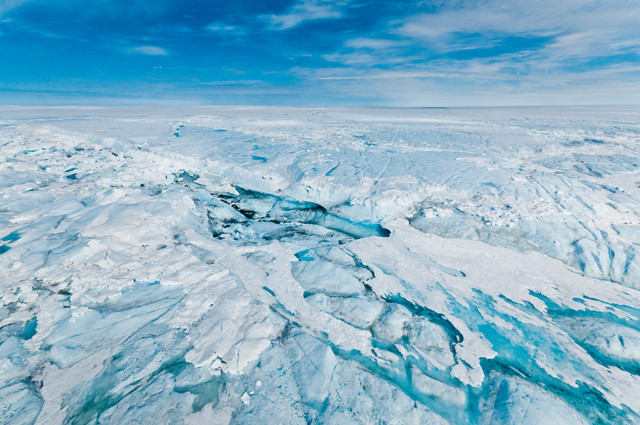
Greenland’s rivers are impressive, with fast, powerful flows of turbulent, milky waters descending from glaciers of the Greenland Ice Sheet, …
September 21, 2016
From Antarctica to the Arctic; from polar caps, permafrost and glaciers to ocean-rafted sea ice; and from burly bears to cold-loving microbes, …
April 13, 2016
From Antarctica to the Arctic; from polar caps, permafrost and glaciers to ocean-rafted sea ice; and from burly bears to cold-loving microbes, …
November 12, 2015
From Antarctica to the Arctic; from polar caps, permafrost and glaciers to ocean-rafted sea ice; and from burly bears to cold-loving microbes, …
October 23, 2015
“Modern Germany is not known for its earthquakes,” says Christian Brandes, a geoscientist at the University of Hannover in Germany. The country, …
September 21, 2015
From Antarctica to the Arctic; from polar caps, permafrost and glaciers to ocean-rafted sea ice; and from burly bears to cold-loving microbes, …
June 1, 2015
From Antarctica to the Arctic; from polar caps, permafrost and glaciers to ocean-rafted sea ice; and from burly bears to cold-loving microbes, …
January 13, 2015
If you don’t know who Richard Alley is, stop reading for a minute and search for him on YouTube. Go on, this can wait. Back? What you likely saw …
January 5, 2015
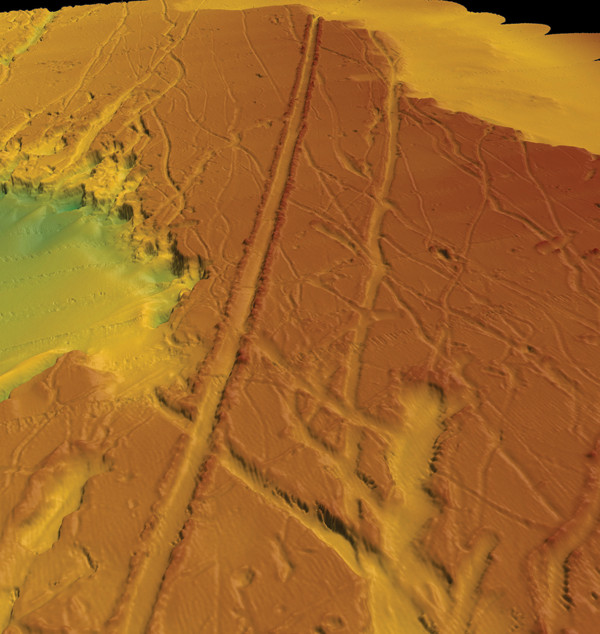
A new study shows that between 20,000 and 10,000 years ago, icebergs drifted southward off the coasts of South Carolina and Florida. Using …
November 4, 2014
From Antarctica to the Arctic; from polar caps, permafrost and glaciers to ocean-rafted sea ice; and from burly bears to cold-loving microbes, …
September 3, 2014
From Antarctica to the Arctic; polar caps, permafrost and glaciers to ocean-rafted sea ice; and burly bears to cold-loving microbes, fascinating …
September 2, 2014
Save the handful of Vikings who settled an ice-free stretch of Greenland’s southwest coast during the Medieval Warm Period a millennia ago, few …